When two internet rabbit holes collide. Pepsi Co brings Cheetos Flamin’ Hot Dill Pickle Crunchy permanently to shelves & “Def Jackin’ this”
Tag: Music
-

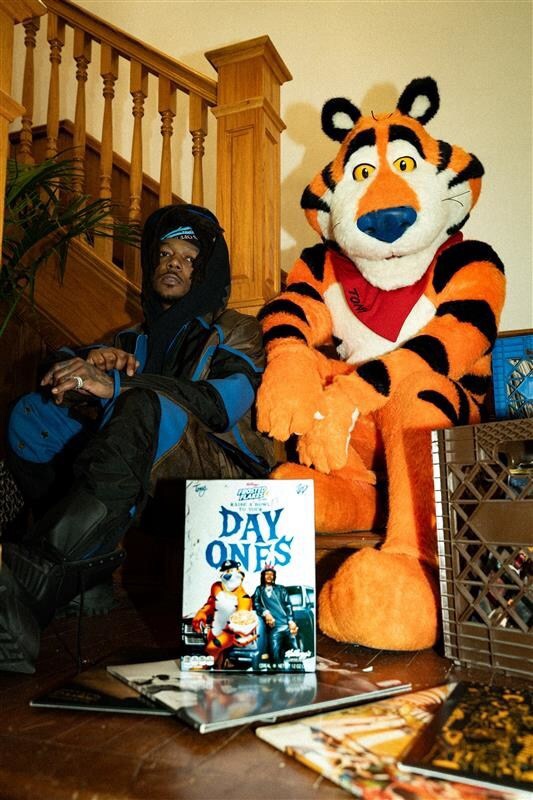
J.I.D and Kellogg’s Frosted Flakes collaborate to revive ‘Hey Tony’ plus limited edition ceral rapper box
IAM not gone hold you the music do not give Rocket Power so I was delighted Kellogg’s called on a new-age rapper rather than a 90’s darling or 80’s baby to showcase their ‘Hey Tony’ jingle because even in the revival I can not recall who performed the original tune. Check back with that and then leave it in the the comments is J.I.D reimagine Stuff-Worthy or Paak-it-up!
-
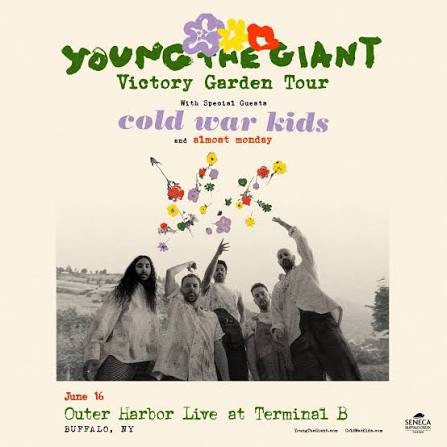
Young the Giant announces Buffalo date with Cold War Kids & almost monday ≠ Victory Garden Tour
As part of the Seneca Casinos Outer Harbor Live Concert Series featuring Young the Giant
-
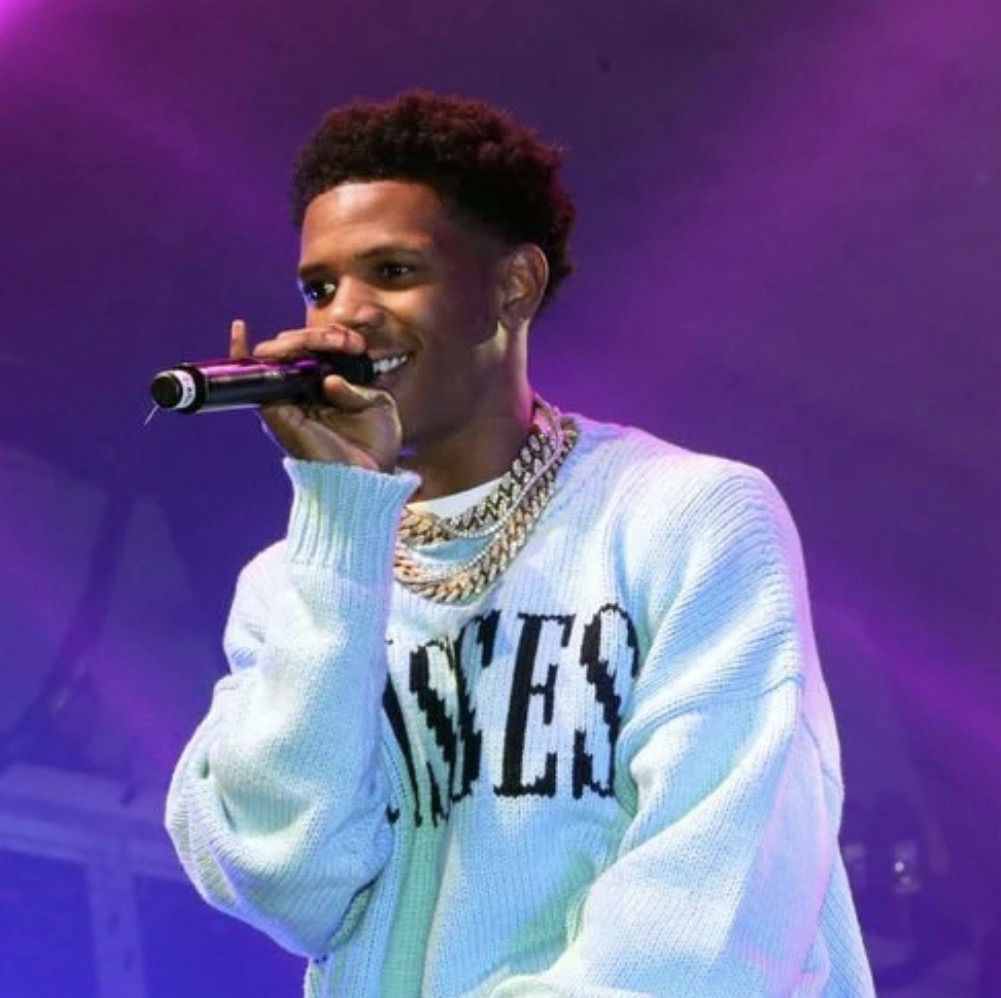
A Boogie Wit da Hoodie adds Rochester to rollout, May 8 Concert
Get ready, Upstate New York hip-hop fans
“May 8th we bringing the city to life at the Wyndham Hotel (Downtown Rochester, NY) — hits, energy, and a movie all night with A Boogie Wit Da Hoodie” 🎤🔥
Doors open at 9PM
Don’t miss this one… it’s up 🏆🎟️ Showcase NY (Greece Ridge Mall)
🎟️ Goodlife Collective (155 Monroe Ave)
General admission ticket prices start at $45 and available.
-
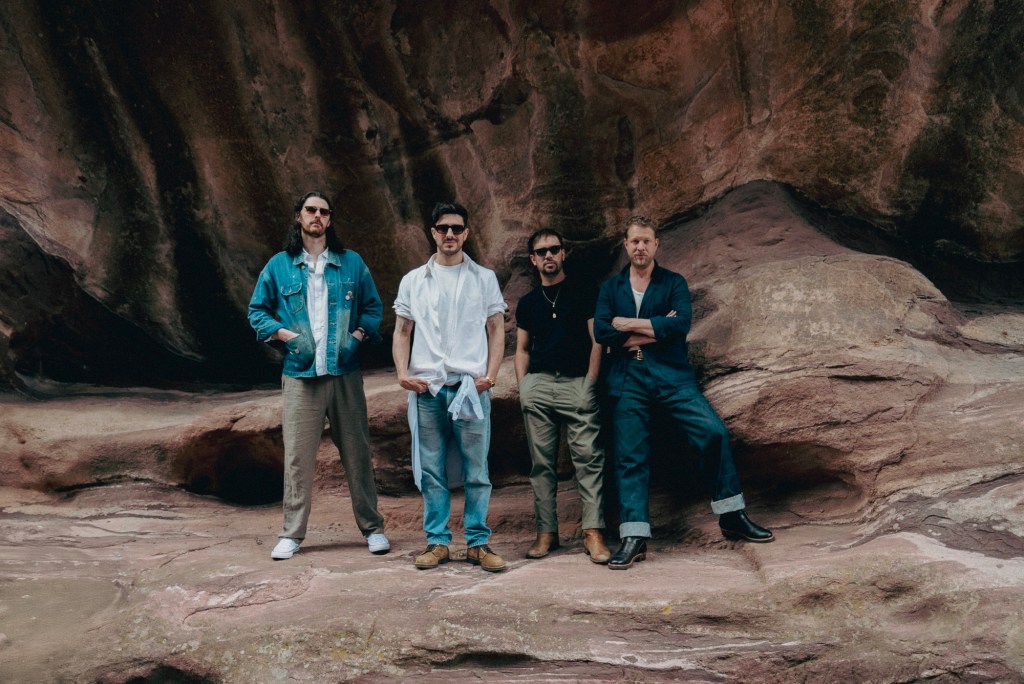
Mumford & Sons added to Syracuse’s growing summer concert list
With ‘Prizefighter’ in our speakers Mumford & Sons are heading on tour and will be performing in Syracuse, New York at Empower FCU Amphitheater at Lakeview on June 18; a Thursday.
Lawn seat start at 57.50; and tickets can be purchased via Ticketmaster’s website.
-
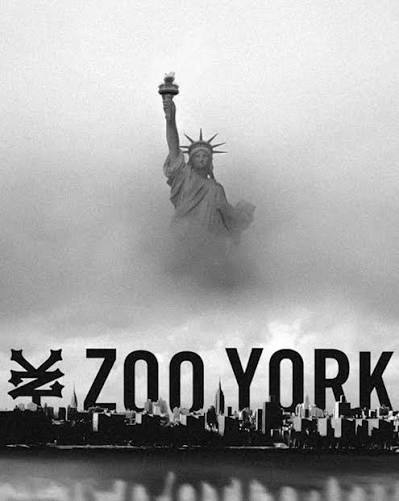
Drill Music Hidden Heat: Zoo York x Lil Tjay, Fivio Foreign & Pop Smoke
Bro got the Henny & I got a blunt
-
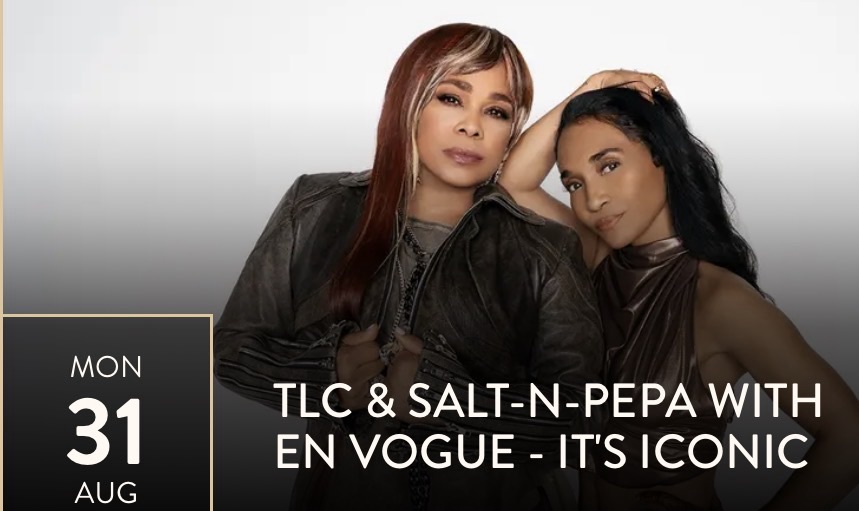
TLC announces local date on It’s Iconic summer tour, Salt-N-Pepa co-headline
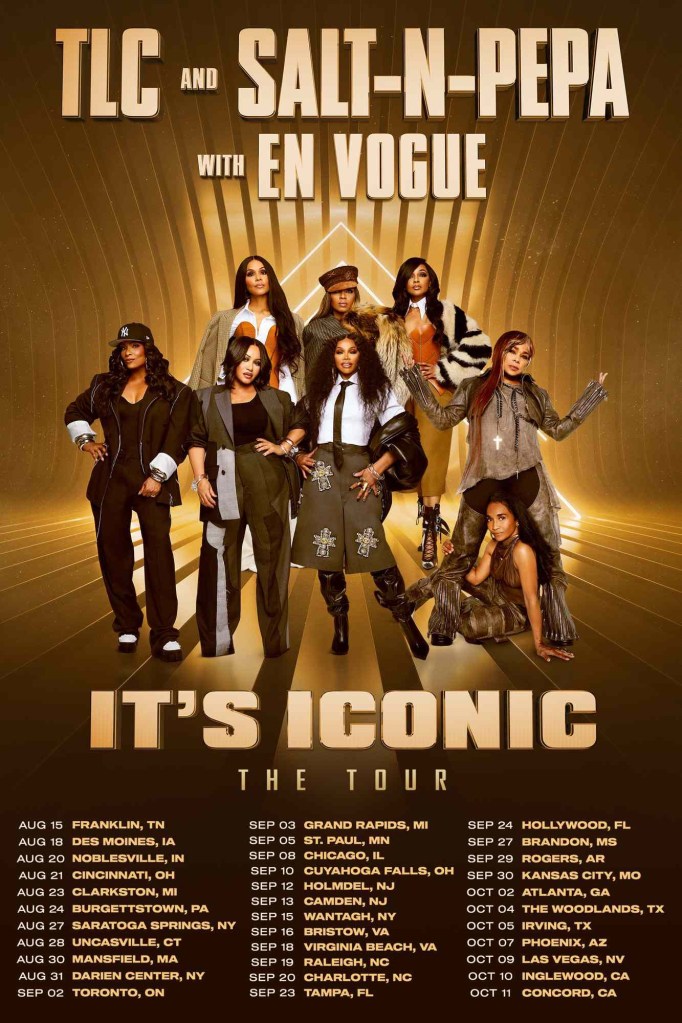
Monday August 31 2026 at Darien Lake Amphitheater Salt-N-Pepa and TLC are joining forces for a landmark co-headlining tour across North America, with special guest En Vogue. Produced by Live Nation
-
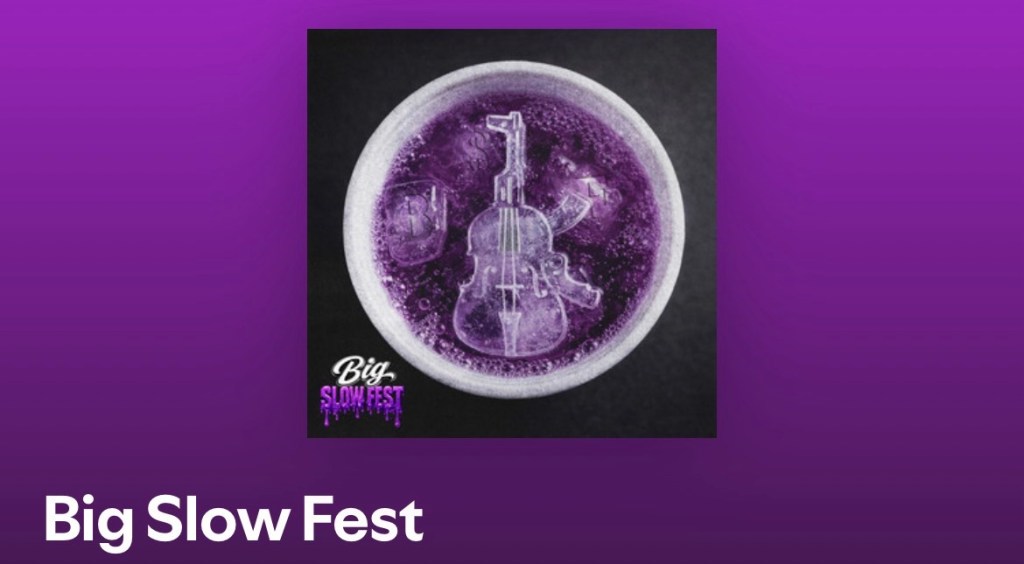
Benny the Butcher, Black Soprano Family, and OG Ron C – Big Slow Fest – 10 (Music Review)
Courtesy Inn
One Brick Minimum
5 to 50
MCM
![[NEW MUSIC] Keep Goin x Mob Steelz](https://umhblogs.com/wp-content/uploads/2026/03/img_3137.jpg?w=658)
![[NEW MUSIC] L’ZZ FOR PRESIDENT x SMOOVE’L](https://umhblogs.com/wp-content/uploads/2026/03/img_3136.jpg?w=457)
 OBK CHANNEL